

To be clear, your website’s traffic is at risk. Great risk. From AI powered search engines.
Artificial intelligence (AI) is changing the web’s business model. For decades, this model relied on driving traffic to sites to generate conversions, whether through sales, advertising revenue, or collecting customer data. More visitors meant more revenue.
Increasingly, people use AI-powered search engines that eliminate the need to browse multiple websites for information. Instead of directing users to sites like TripAdvisor or Yelp, AI presents curated answers. A query like, “Which are the top ten restaurants in my city?” results in an aggregated list drawn from countless websites.
The impact is already evident. Science and educational websites have lost 10% of their visitors over the last year. Reference site visits declined by 15% during the same period; heath sites lost over 30% of previous traffic. While some might deem these changes to be the cost of progress, that “cost” could be much higher than imagined.
AI mines existing content — it does not generate original research or firsthand experiences. AI does not conduct scientific or medical studies, nor does it visit restaurants to give personal opinions. Instead, others bear those costs and create that content. Without incentives to produce and share new material, creative output risks drying up, leaving AI chatbots to recycle older data.
As human site traffic dwindles, online companies will be forced to find alternative ways to reach audiences. Inevitably, this shift will lead to more content hidden behind paywalls, transforming the “open resource” internet into something altogether different.
Too “doomer” for your tastes? You may be right. After all, part of this blog was created using artificial intelligence.
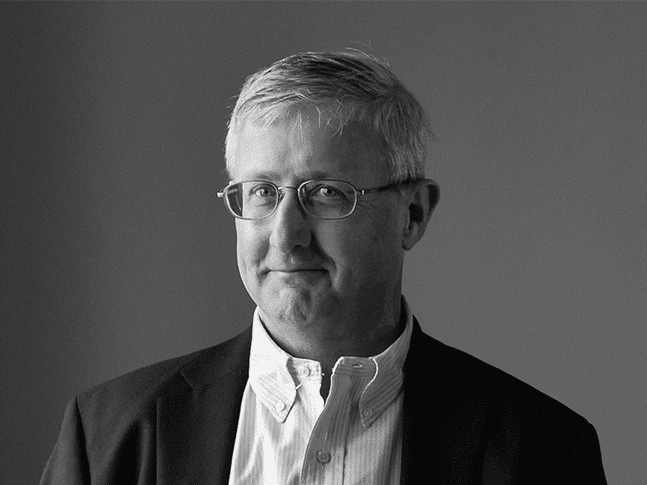
Peter has spent the past twenty-plus years as an acting/consulting CFO for a number of small businesses in a wide range of industries. Peter’s prior experience is that of a serial entrepreneur, managing various start-up and turnaround projects. He is a co-founder of Keurig.